What to check before booking a private Barcelona tour
Booking a private tour in Barcelona should feel simple, not like guessing. The city rewards good planning. A few streets can be easy on foot in the morning and crowded by midday. Some landmarks need timed entry. Others are better seen from a quieter angle. Before paying for a tailored visit, look closely at what is included, how the pace is set, and what happens if plans shift.
A private outing is not just a normal city tour with fewer people. The best ones are built around a clear purpose, whether that is architecture, food, history, photography, or a relaxed introduction to the city. The details matter because Barcelona is compact but layered. A route that sounds short on a map may involve steep streets, long entries, or crowded metro changes. A good plan should fit the day, not force the day to fit it.
What you want to see and why
Start with the purpose of the visit. A first visit may need the big names, while a return visit may be better with neighbourhoods, markets, or lesser-known corners. If Sagrada Familia is essential, check whether entry is part of the plan or simply a stop outside. That difference changes the cost, the timing, and the shape of the day. The same applies to Park Güell, where location, entry rules, and walking routes can affect how much time is needed.
Be honest about pace. A tour that lists many sights may look efficient, but it can leave little time to stand back, take photos, or enjoy a café stop. A slower plan with fewer stops often feels richer. Think about the kind of day that suits the people travelling. Children, older travellers, and anyone with limited mobility may need shorter walking stretches and more seating. A private tour barcelona can be shaped around those needs, but only if they are mentioned before the itinerary is fixed.
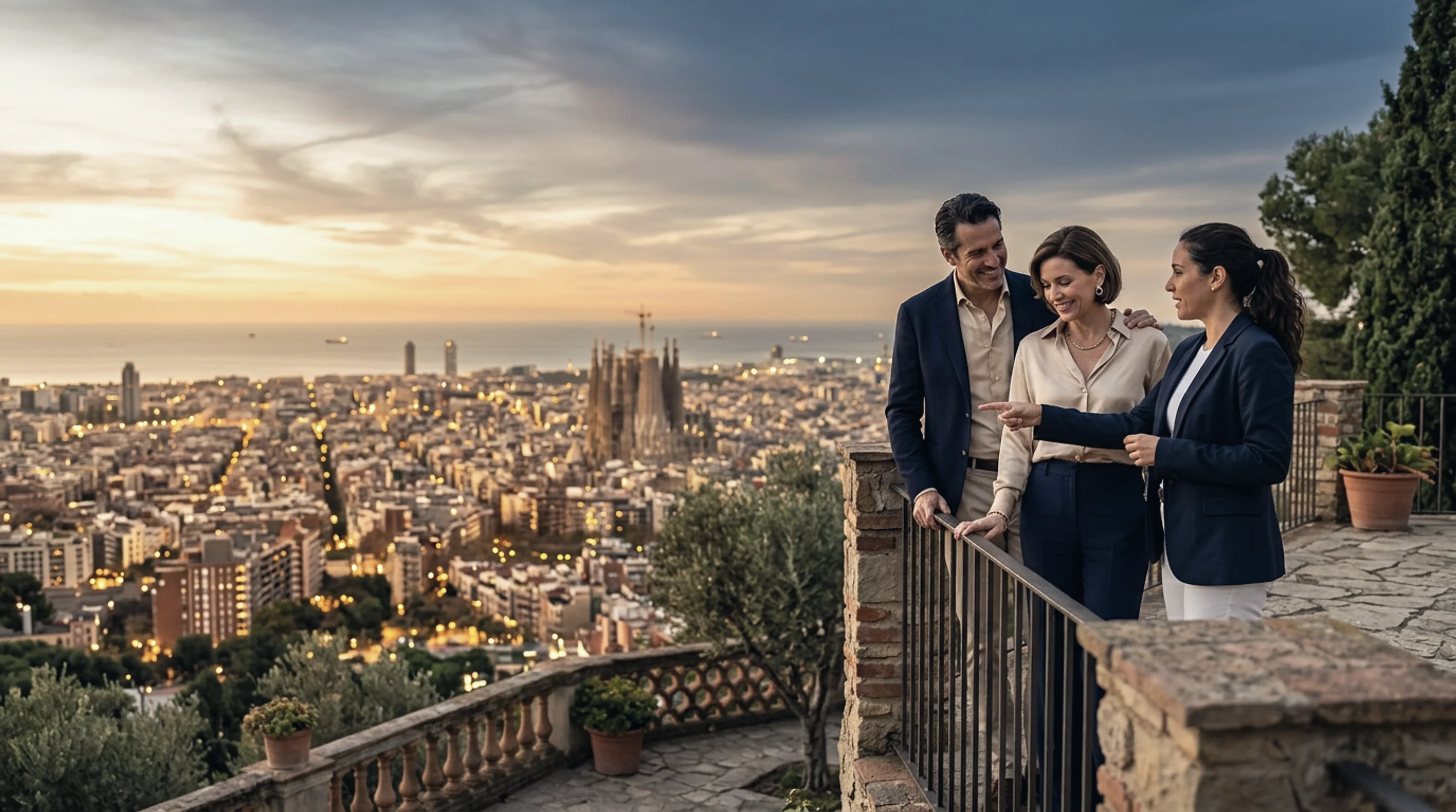
The route and the way it flows
Ask for a route in plain terms. It should name the main stops and explain how they connect. A route that jumps from the Gothic Quarter to Montjuïc and then back across town may waste time in traffic. A smarter order groups places that sit near each other and leaves room for breaks. Barcelona has hills, wide avenues, narrow lanes, and busy crossings. The best route accounts for all of them.
Check whether the plan is walking, by vehicle, or a mix. Walking suits the old centre, where many details are missed from a window. Longer distances may be easier by car or taxi, especially in warm weather. If transport is included, find out what kind it is and whether乘客 can be accommodated. If it is not included, ask where the tour starts and ends, and whether those points are easy to reach from your accommodation.
Weather is another practical point. Barcelona can be bright and hot for much of the day. Shade, water breaks, and indoor stops are not small extras in summer. A plan that spends hours in open squares may feel harsh. In cooler months, rain can make cobbled streets and steps less comfortable. A flexible route with indoor options is often more useful than a rigid one.
Entry, access, and timing
Some Barcelona landmarks use timed tickets, and entry availability can shape the whole day. If a tour includes a reserved slot, ask what is covered and what is not. Entry to a basilica, a museum, or a protected site is different from a guided walk outside. Both can be worthwhile, but they should not be confused. If a place is closed on certain days, the route should offer a sensible alternative rather than a brief stop at a locked door.
Access needs should be discussed early. Elevators, ramps, step-free routes, and rest stops may matter more than the list of sights. Some historic buildings have limits that cannot be changed on the day. A clear answer before booking is far better than a surprise at the entrance. Dietary needs are similar. If food is part of the visit, say what can and cannot be eaten, including allergies and preferences.
La Boqueria Market is a good example of a stop that needs timing. It can be lively, busy, and interesting, but it is not a quiet place for a long explanation. A short visit with a clear focus works better than trying to turn a crowded market into a lecture. The same is true of Casa Batlló and Barcelona Cathedral, where the surrounding streets and the interior can offer very different experiences.
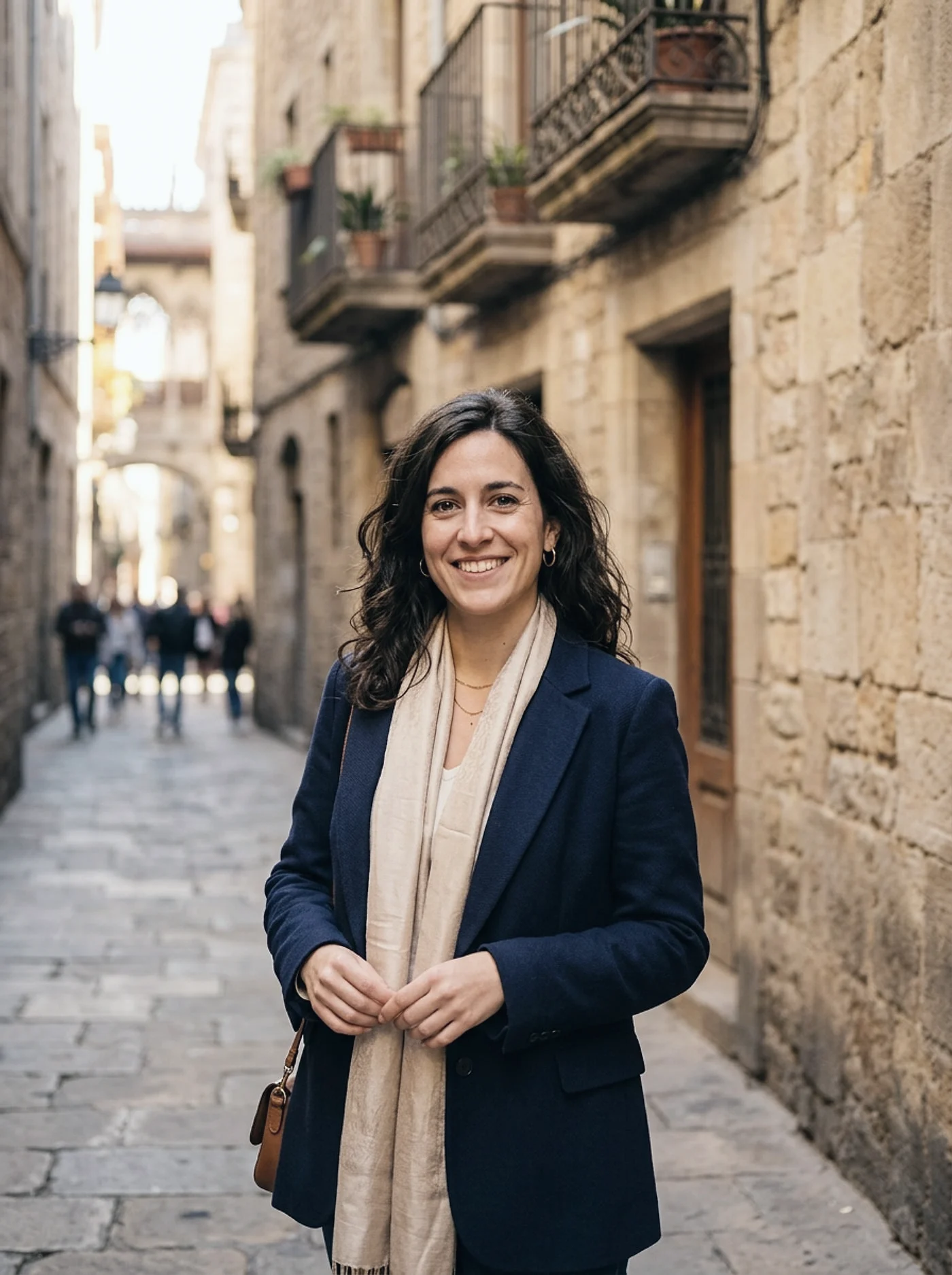
The guide and the style of explanation
The guide sets the tone. Good guiding is not just a stream of dates. It connects what is in front of you with why it matters. It also leaves space for questions. Before booking, consider the language of the tour and the level of detail. A family-friendly visit should sound different from one designed for someone with a deep interest in architecture or history.
A private tour barcelona works best when the guide listens as well as speaks. If a traveller is curious about design, the route can pause longer over façades and interiors. If the group wants local food, the day can give more room to markets and neighbourhood cafés. The point is not to squeeze in every famous name. It is to make the city understandable and enjoyable for the people on the tour.
Ask how large the group can be. Private does not always mean one person, and that can affect pace and attention. A small family group is different from a group of friends with mixed interests. The more varied the group, the more useful it is to set priorities in advance. A short call or message before the tour can prevent mismatched expectations later.
What the booking includes
Read the booking details carefully. Check the start point, end point, duration, language, and what happens between stops. Look for plain wording about entry tickets, transport, food, and any extra costs. If something is unclear, ask before paying. A clear answer at the booking stage usually leads to a calmer day.
Also check the start time in relation to your arrival or departure. Barcelona traffic and busy streets can make tight connections risky. If the tour ends near a station, that may help. If it ends in a different district, allow time to get back. Cruise passengers and travellers with late flights should be especially careful about timing, because a delay can turn a pleasant tour into a rushed transfer.
Flexibility is worth reviewing too. Travel plans change. Flights are delayed, museums close, streets get busy, and weather shifts. It is reasonable to ask how changes are handled and what the boundaries are. Clear terms protect both sides and make it easier to adjust without frustration.
A few details that often get missed
- Comfortable shoes matter more than most people expect, especially where old streets, steps, and long walks are involved.
- A water break can make a warm afternoon far more pleasant, particularly around open viewpoints and busy squares.
- Photo stops are better planned than squeezed in, because some streets are crowded and some viewpoints are easy to miss.
- Museu Picasso may suit an art-focused visit, but it needs thoughtful timing if the rest of the day is packed.
- A clear meeting point reduces stress, especially in busy areas where several streets look alike.
The value of a private visit lies in the fit. A good plan respects attention, energy, curiosity, and time. It does not try to turn Barcelona into a list to be completed. The city is better when there is room to look up at a building, linger over a view, or change direction because something interesting catches the eye.
Before confirming, run through the practical points in order: purpose, route, access, timing, guide style, and booking terms. If each one feels clear, the tour is more likely to feel relaxed and rewarding. Barcelona has enough layers to fill many visits. A well-chosen private tour can make the first hours feel grounded, then leave you with plenty of reasons to return.